Walk through any major European caravan exhibition and you’ll find hundreds of motorhomes and travel trailers on display. Yet despite the sheer variety, fully featured American RVs are surprisingly rare. Why are vehicles known for their spacious interiors, off-grid capability, and residential-level comfort almost absent from the European market?
Two Different Philosophies of RV Design
European and American manufacturers are solving fundamentally different problems.
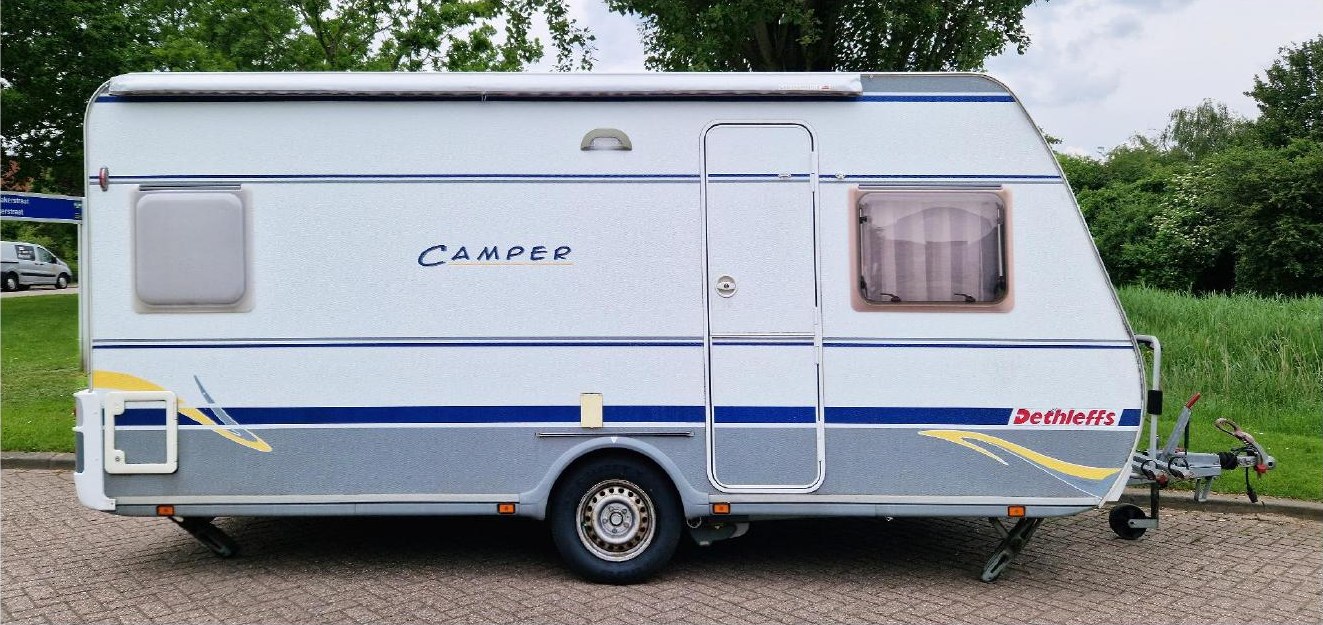
In Europe, travel trailers are typically engineered to be towed by relatively compact passenger vehicles. As a result, manufacturers focus on reducing every possible kilogram, using lightweight construction, minimizing tank capacities, and keeping exterior dimensions as compact as possible.
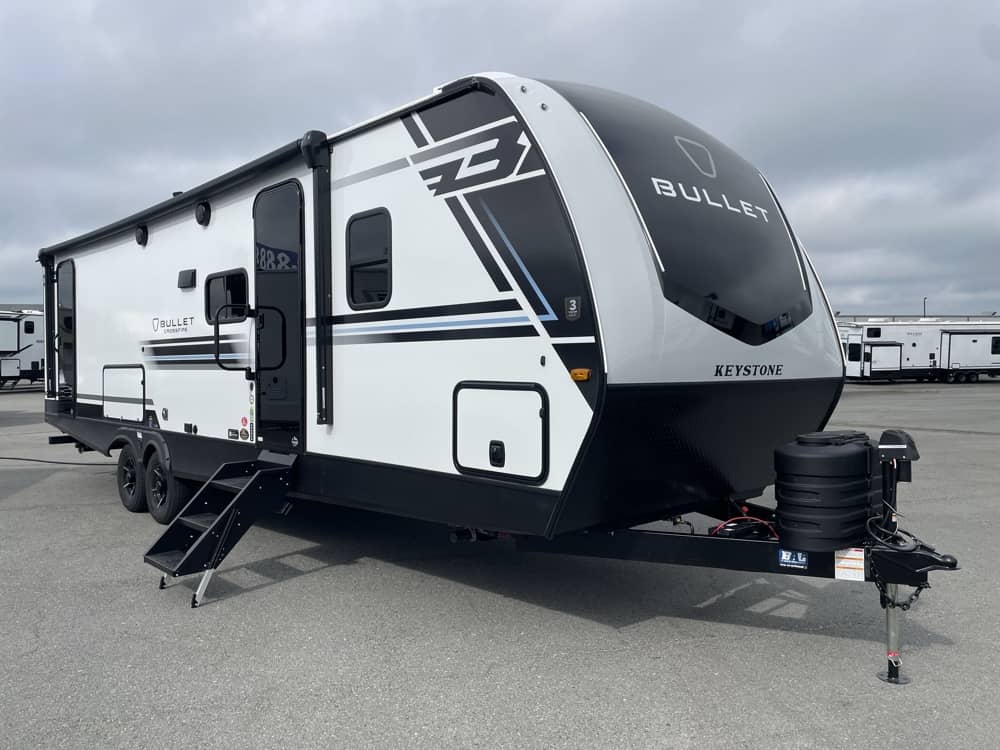
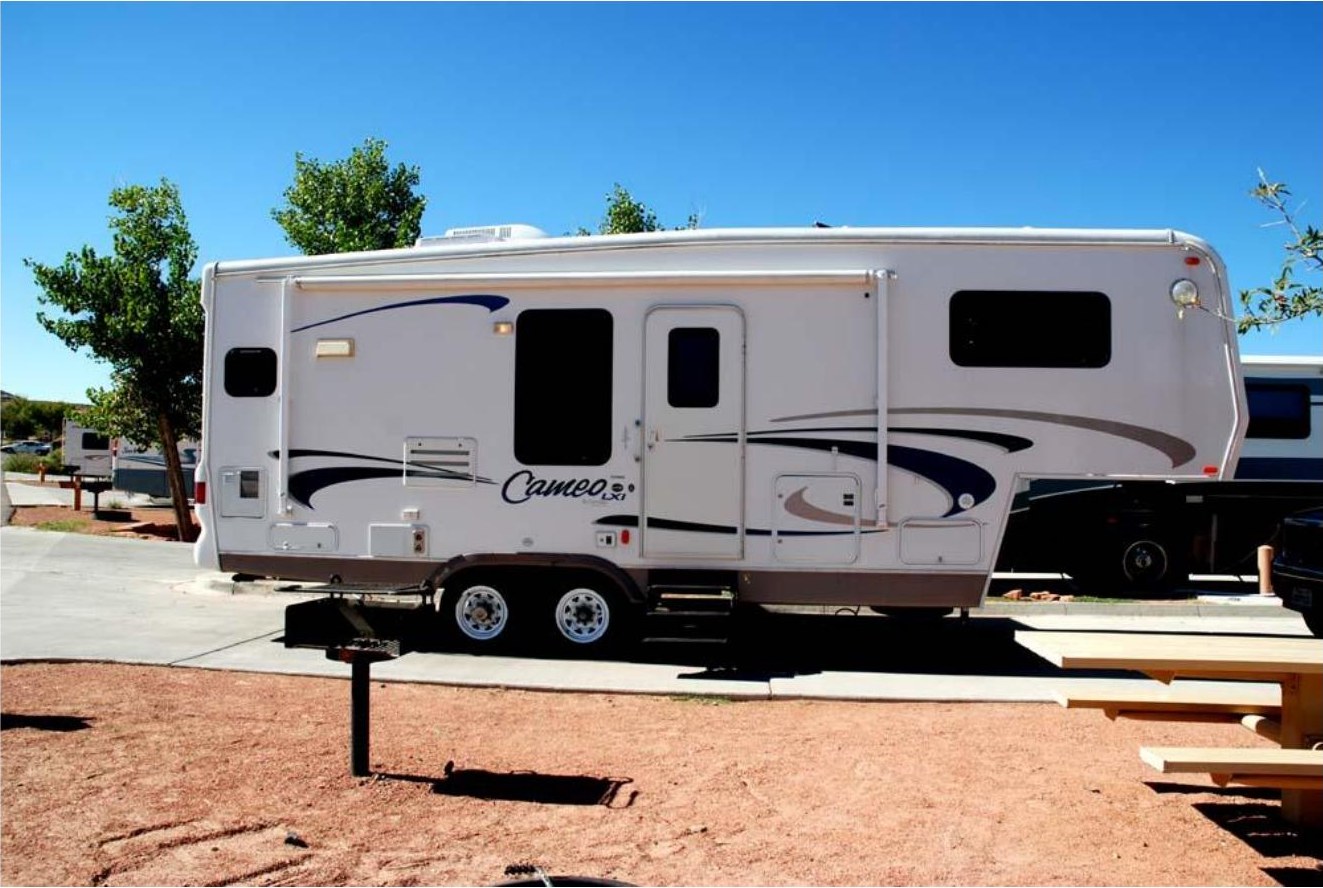
American manufacturers take a different approach. They begin by designing a comfortable living space first, then pair it with a suitable tow vehicle - typically a full-size pickup truck or a body-on-frame SUV.
As a result, European travel trailers are generally designed for trips between well-equipped campgrounds, while American RVs are built to serve as fully functional homes capable of supporting extended travel far from traditional infrastructure.
American manufacturers focus first on owner comfort. European manufacturers must constantly balance weight, width, overall size, and the towing limitations of smaller vehicles.
Both approaches have clear advantages. However, when buyers compare similarly priced models side by side, they often discover that American RVs provide substantially more interior space and residential amenities.
Slide-Outs Change Everything
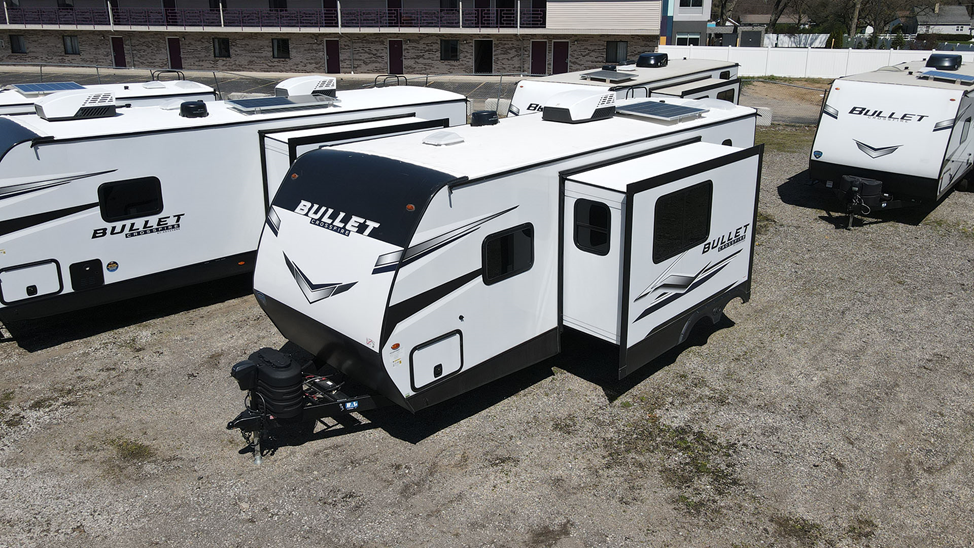
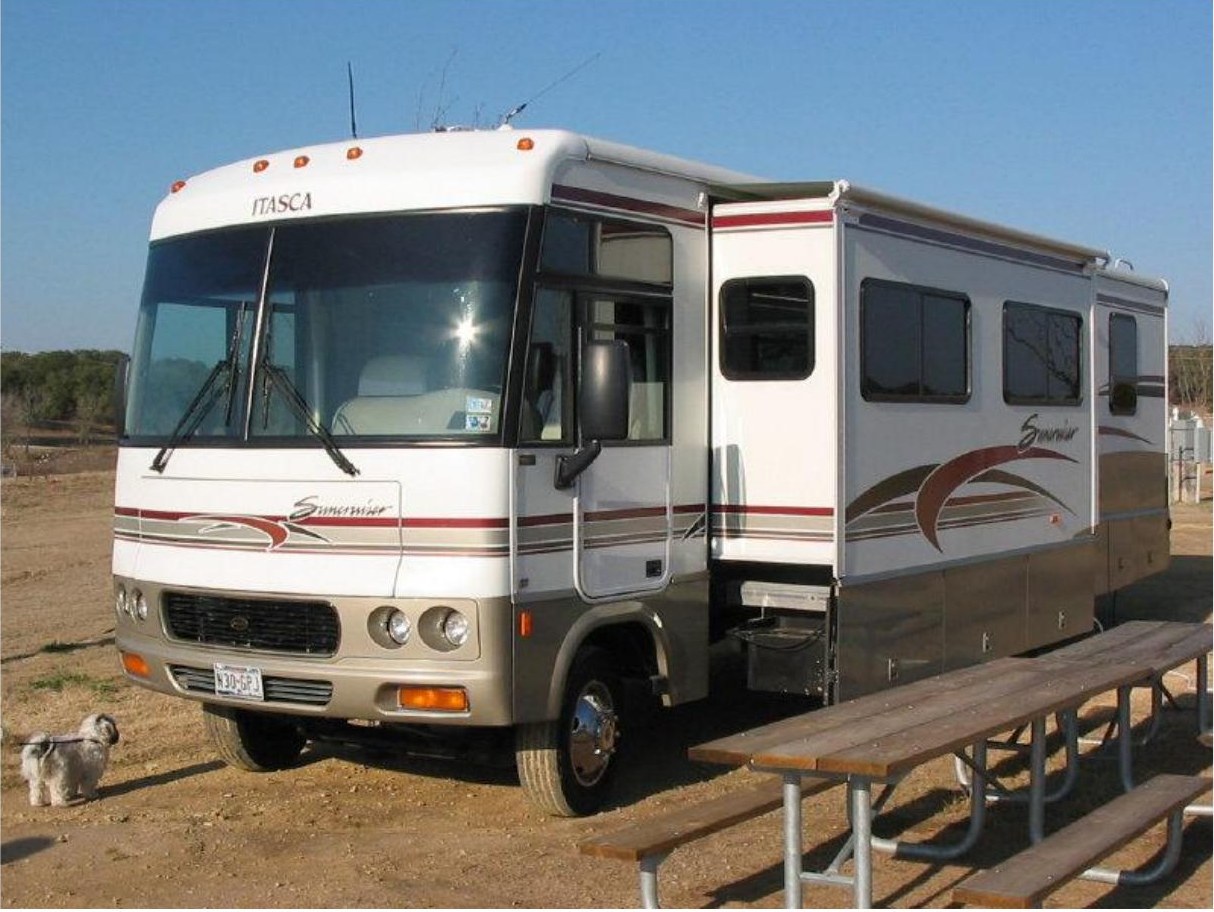
One of the defining features of many American RVs is the slide-out - an expandable section.
Once deployed, the slide-out dramatically increases the interior living space. What was once a narrow aisle can become a spacious living room, a larger kitchen, and simply a more comfortable area to move around.
For someone who has never traveled in an RV with slide-outs, the difference may seem minor at first. But after just a few days on the road, it becomes obvious: a slide-out can transform a narrow trailer into a space that feels much more like a small apartment.
So why are slide-outs still relatively uncommon in European RVs?
A slide-out requires a reinforced frame, a robust operating mechanism, and additional payload capacity. In an American RV, these requirements are considered part of the design from the beginning. For a lightweight European caravan, however, they mean added complexity, increased weight, and higher manufacturing costs.
The slide-out highlights the difference between two engineering philosophies. European manufacturers focus on making the most of the available interior space, while American manufacturers simply create more of it.
Self-Sufficiency vs. Compact Design
Another major difference lies in the size and capability of onboard utility systems.
American RVs are typically equipped with large freshwater, gray-water, and black-water tanks, allowing families to stay off-grid for longer periods without constantly refilling water or servicing the waste system.
European caravans generally have smaller tanks. Many also rely on portable cassette toilets that must be removed and emptied manually on a regular basis.
For short trips or campground-based travel, this system works perfectly well. However, during extended off-grid travel, its limitations become apparent very quickly.
You don’t truly understand the difference between these two design philosophies at an RV show. You understand it after spending several days on the road. That’s when small water tanks, manual maintenance, and limited storage stop feeling like minor inconveniences.
American RVs are designed with the assumption that their owners may spend extended periods away from traditional infrastructure. As a result, large water reserves, high-capacity holding tanks, onboard generators, battery systems, and climate control equipment are viewed not as luxury upgrades, but as fundamental components of the vehicle.
Home Comfort on the Road
American manufacturers often incorporate the kinds of features people expect to find in a traditional home.
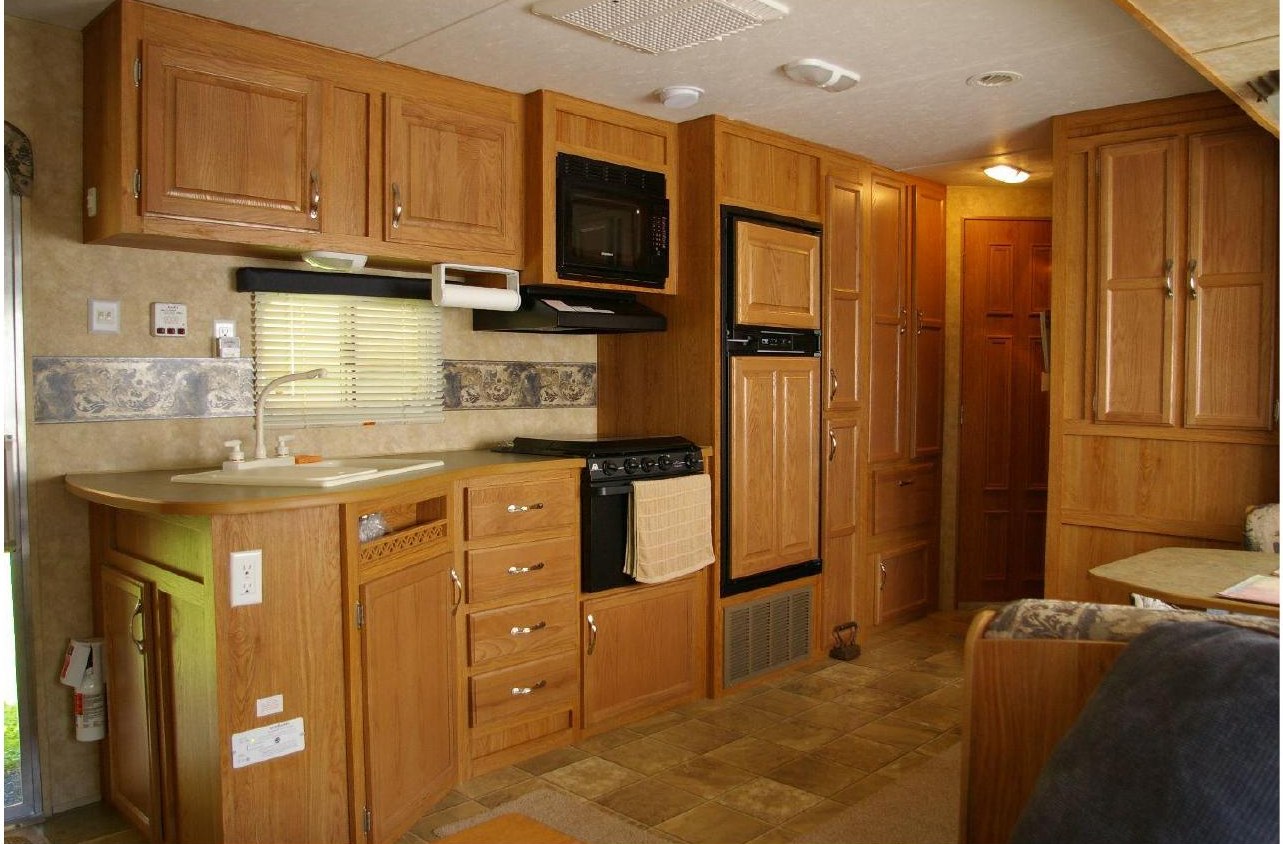
Instead of a compact refrigerator, many models come equipped with a full-size compressor refrigerator complete with a dedicated freezer. Instead of a manually operated awning, they offer powered systems. Rather than a small kitchenette, owners get a spacious cooking area with an oven, microwave, and generous storage.
Some models even feature an outdoor kitchen with a sink, refrigerator, and space for a grill, making it possible to cook outside without heating the interior or filling the living space with cooking odors.
Automation extends beyond the kitchen. Electric stabilizing jacks, powered slide-outs, and electric awnings significantly reduce the amount of manual setup required at the campsite.
In many European caravans, these tasks are still performed manually. This is not because European engineers lack the technology, but because every electric mechanism adds weight, increases maintenance requirements, and raises production costs.
From a European design perspective, those trade-offs may not be worthwhile. For the American approach, they are simply a natural part of the design.
Why American RVs Haven’t Taken Over Europe
There are several reasons why American RVs remain relatively uncommon across Europe.
The first is size and weight. Many American travel trailers are both wider and heavier than their European counterparts, requiring larger tow vehicles. Full-size pickup trucks - the standard choice for towing in North America - are still far less common in most European countries.
Infrastructure also plays an important role. Narrow streets in historic city centers, compact parking spaces, and smaller campgrounds are generally better suited to the dimensions of European caravans.
Technical requirements present another challenge. American-built RVs must often be modified to comply with European regulations governing electrical systems, gas installations, lighting, and hitch equipment. Certification, registration, and compliance testing add both time and cost to the import process.
Operating costs also differ. Larger tow vehicles consume more fuel, and larger trailers require more storage space when not in use.
Taken together, these factors naturally limit the adoption of American RVs throughout Europe.
There is also a market dynamic that is rarely discussed.
An Uncomfortable Comparison for European Manufacturers
The arrival of a larger number of American RVs could fundamentally change what buyers expect from a travel trailer.
Today, most customers visiting a European dealership compare products that follow essentially the same design philosophy. They choose between brands, floor plans, and equipment packages, but they rarely compare entirely different approaches to RV design.
American RVs encourage buyers to ask different questions:
- Why doesn’t a premium-priced trailer include a slide-out?
- Why are the freshwater and holding tanks so small?
- Why is the refrigerator smaller than the one in a typical house?
- Why are the awning and stabilizing jacks still operated manually?
- Why does the waste system require so much routine maintenance?
- Why is the living space so limited?
European manufacturers would have to respond not with advertising, but by changing the design of their RVs.
To offer the same level of living space and self-sufficiency found in many American RVs, European manufacturers would need to reinforce chassis designs, rethink weight distribution, install larger holding tanks, and add heavier equipment throughout the vehicle. In practice, that would mean sacrificing one of the defining advantages of the traditional European caravan: its lightweight, compact design.
For that reason, American RVs represent more than just another competing product. They represent an alternative philosophy of what a travel trailer can be.
They demonstrate that a home on wheels can offer significantly more living space, greater self-sufficiency, and a higher level of everyday comfort.
This Isn’t About One Type of RV Being Better Than the Other
European caravans are built for a very specific set of conditions, and in many situations they are the better choice.
They are lighter, more maneuverable, and better suited to narrow roads and historic city centers. They can be towed by smaller vehicles, fit more easily into compact campsites, and are generally less expensive to operate.
For shorter vacations, campground-based travel, and touring through older European destinations, that combination often makes perfect sense.
American RVs are not the right solution for everyone, either. They require larger tow vehicles, more storage space, and careful attention to weight ratings and towing capacity. Owners must also account for longer braking distances, different driving characteristics, and local regulations.
For that reason, the real question is not which RV is better.
The better question is this: what kind of travel was this RV designed for?
European caravans prioritize mobility and compatibility with existing infrastructure. American RVs prioritize space, comfort, and long-term self-sufficiency.
What Happens When European Buyers Discover American RVs
European manufacturers are not about to disappear overnight. Established brands have decades of engineering experience, extensive dealer networks, strong customer loyalty, and a deep understanding of their domestic markets.
However, American RVs have the potential to reshape the market.
Once customers begin comparing more than exterior styling and interior finishes - once they start evaluating actual living space, freshwater capacity, holding tank size, refrigerator volume, and onboard automation - manufacturers will inevitably have to respond.
Some companies will continue building lightweight, compact caravans. Others may begin introducing larger premium models with slide-outs and greater off-grid capability. It is even possible that a new segment of European RVs will emerge - one inspired by American design principles while remaining tailored to European roads and regulations.
In the end, that kind of competition benefits consumers.
Buyers deserve to see different approaches to RV design. Their decision shouldn’t be limited to whatever happens to be available at a local dealership. It should be based on the type of travel they actually want to experience.
The Right Choice Doesn’t Begin With a Brand
Before buying an RV, every buyer should answer a few simple questions.
How many people will be traveling? How long do you plan to stay away from campgrounds? Do you need large freshwater and holding tanks? Is a full residential-style kitchen important? Where will the RV be stored? What vehicle will be used for towing? What kinds of roads will you travel most often?
Once those questions have been answered, the right choice usually becomes much clearer - whether that’s a lightweight European caravan or a fully equipped American RV.
The limited presence of American RVs in Europe cannot be explained by a single regulation or technical barrier. It is the result of legislation, infrastructure, automotive culture, consumer expectations, and the interests of an established industry.
But as more European buyers become familiar with the American approach to RV design, it will become increasingly difficult for manufacturers to rely on traditional assumptions about what customers expect.
That is why American RVs threaten not European manufacturers themselves, but the outdated idea of what a modern home on wheels should be.
About the Author
Konstantin Shchelbanin is the founder of Dom v Dorogu, a company specializing in sourcing American RVs, helping customers select the right vehicles, and providing expert guidance on RV ownership and operation. For more than 15 years, the company has worked with clients seeking American recreational vehicles and long-distance travel solutions.
Photo Credits and Licensing
- American fifth-wheel trailer. Photo by Bill W. Ca. Public Domain. Source file.
- European Dethleffs Camper 450 DB travel trailer. Photo by Renée Kools. CC BY 4.0. Source file.
- Itasca Suncruiser motorhome with a slide-out. Photo by Claygate. Public Domain. Source file.
- Interior kitchen of an American Jayco travel trailer. Photo by javaholics / Coffeenuts. CC BY 2.0. Source file.