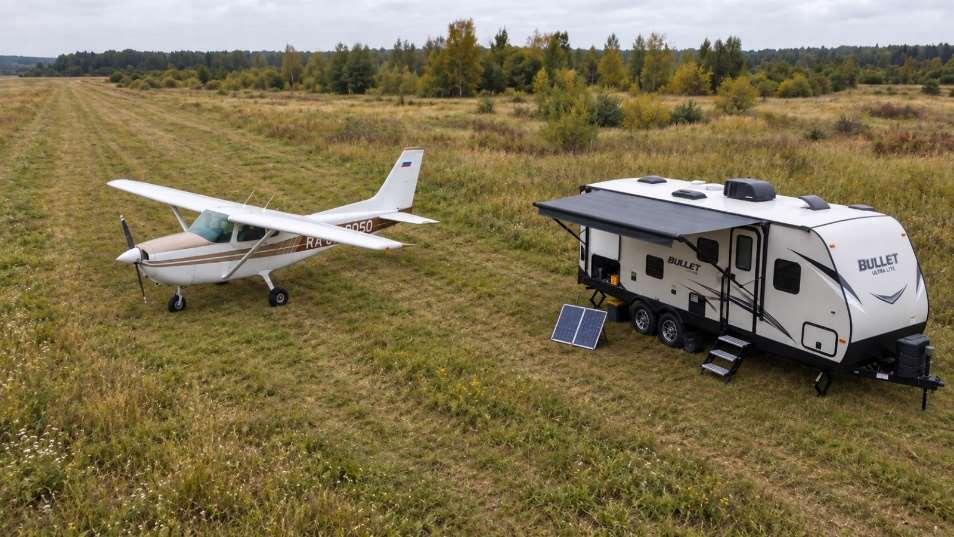
Twenty years ago, we needed to house small-aircraft pilots at old, abandoned airfields for civil aviation work. And we ran into a problem: where would the crews live? Within 30 km (about 20 miles), there were no towns, no water, and no electricity. That’s when I first thought of RVs. They would have saved the day back then, but unfortunately the economic crisis hit, and we had to shut the flights down.
The next time I thought about RVs was during a road trip along the East Coast of the US in an ordinary car. One day completely changed the way I saw this kind of travel. The first leg of the route ran from Buffalo, home to one of the most beautiful places in the world, Niagara Falls, to New York City. We spent a wonderful Saturday enjoying this amazing natural wonder, and at 5 p.m. it was time to leave.
Of course, there was no way we could cover the 600 km (about 370 miles) to New York that evening, and we were sure we’d stop at some roadside hotel. No such luck. When we checked Booking.com, we found that every hotel between Buffalo and New York was full. Not a single room, not even in the most expensive hotels. It made sense: it was Saturday night, the next day was Sunday, and all of America was heading home after visiting Niagara Falls. There were so many people that there simply weren’t enough hotels to go around.
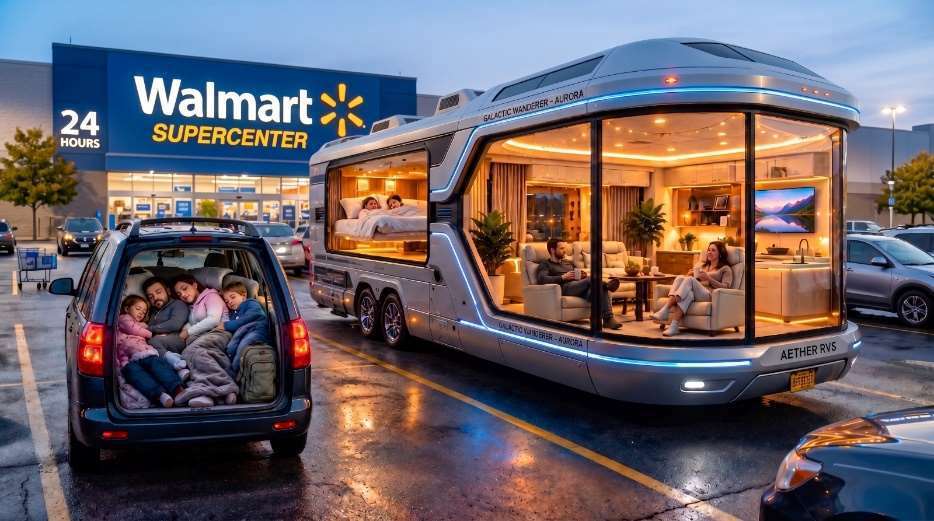
At around 11 p.m., completely exhausted, we pulled into a Walmart parking lot and saw something that left us stunned. I’ll remember that day for the rest of my life. In front of us was something that looked more like an alien spaceship.
At that moment, all we wanted was a soft, cozy bed. There were four of us in a small car, so the best we could hope for was folded-down seats, a lumpy surface we could only loosely call a bed, and all four of us rolling over onto our other side at the same time. A trip to the bathroom in the middle of the night was out of the question.
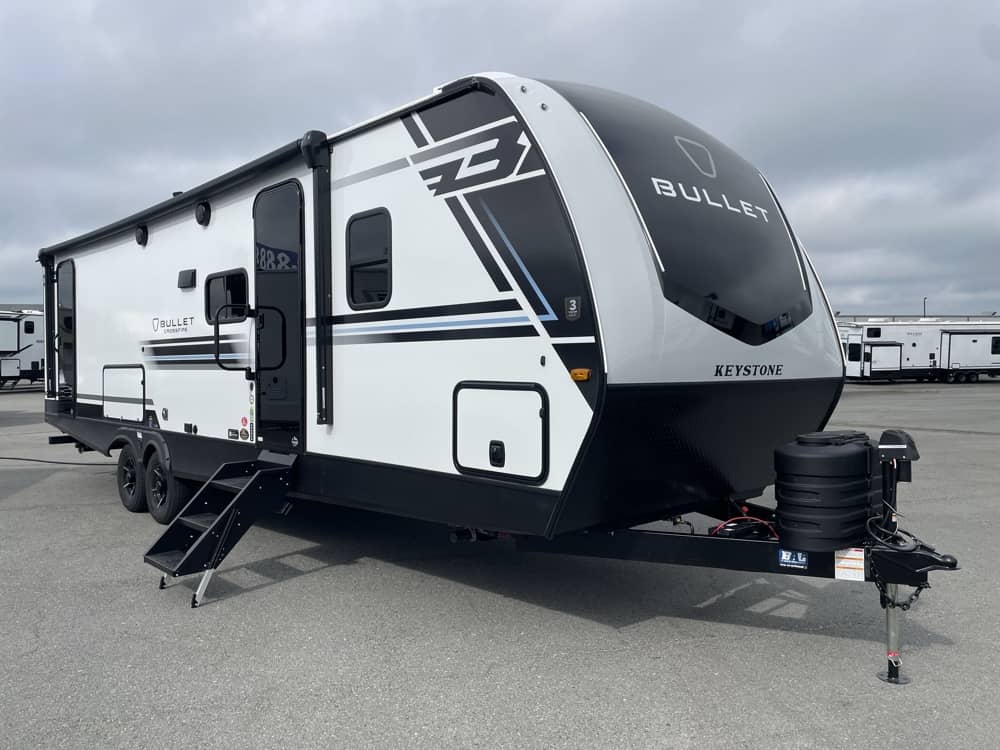
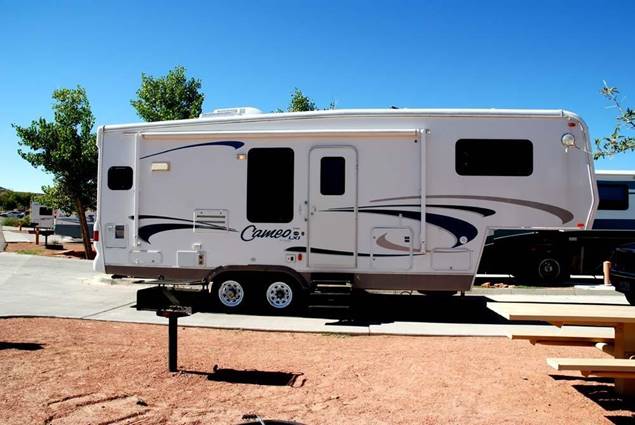
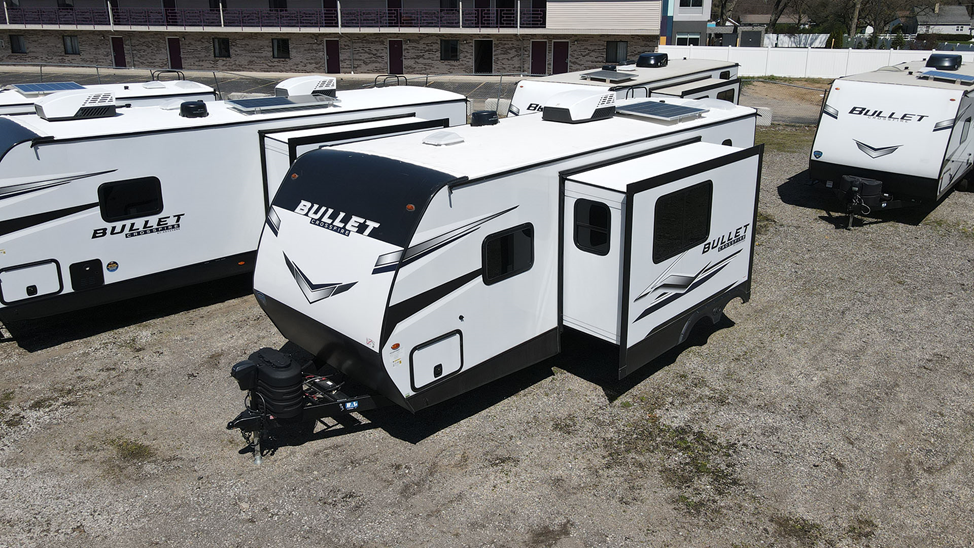
And then there was this: an almost alien spaceship, where huge, soft, cozy beds slowly lowered from the ceiling. Next to them were some kind of lights, remotes, and TVs. Inside the spaceship were the most incredible armchairs, and in them sat either aliens or humans. A little farther back were slightly smaller beds, probably for the offspring of these humans, or aliens. In short, it was a world out of our reach, something our minds simply couldn’t take in at that moment. What we were looking at was called a motorhome.
Oh, how we envied them. That night shaped my future. The next morning, we continued our trip by car, and a year later we drove the same route again, this time in our own motorhome. Now I’d like to share how it felt and explain the difference between traveling by car and traveling with a home on wheels.
So, the same route: New York - Buffalo - New York - Washington - Charlotte - Atlanta - Orlando - Miami. But one time we traveled by car and stayed in hotels, and the other time we traveled in a motorhome. What’s the difference?
I’ve already described the Buffalo to New York leg above. From New York, we headed to Washington.
Washington, D.C.
By Car
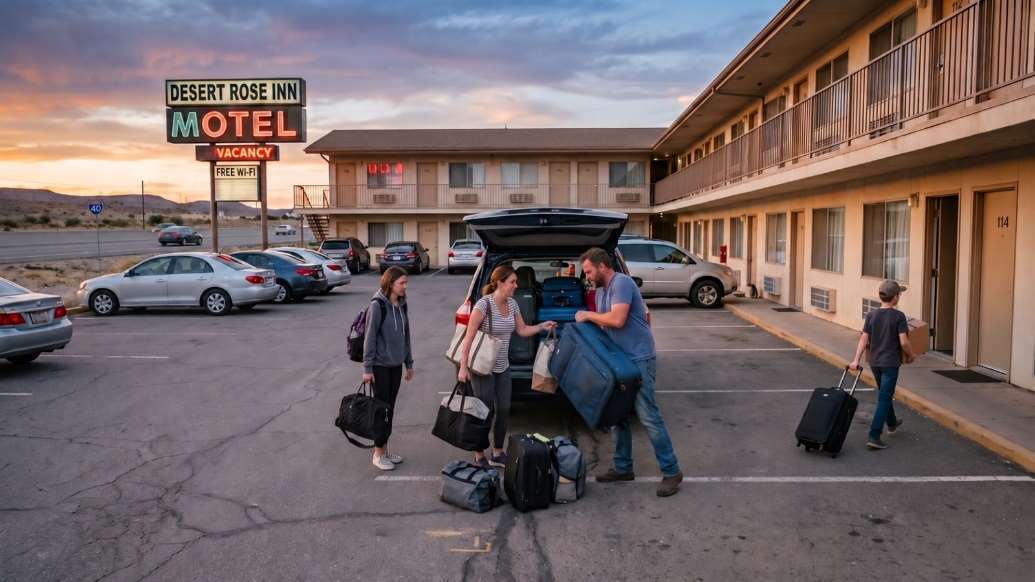
When you plan a road trip by car, it’s practically impossible to predict and book hotels in advance. Two or three weeks before the trip, you have a rough idea of the route and the sights you want to see, but knowing exactly when you’ll arrive at a given hotel is next to impossible. You have to book each hotel on the day you set off toward it.
In other words, “right now,” as we leave New York, we need to book a hotel in Washington. When you arrive at the hotel in the evening by car, you have to unload everything and carry it up to the room. Since everyone is tired, it’s not a fun job. And when you leave, you have to carry it all back. What always stresses me out at checkout is: “Did I forget something in the room? Where’s my electric shaver? What if it’s not in the suitcase?”
With a Motorhome
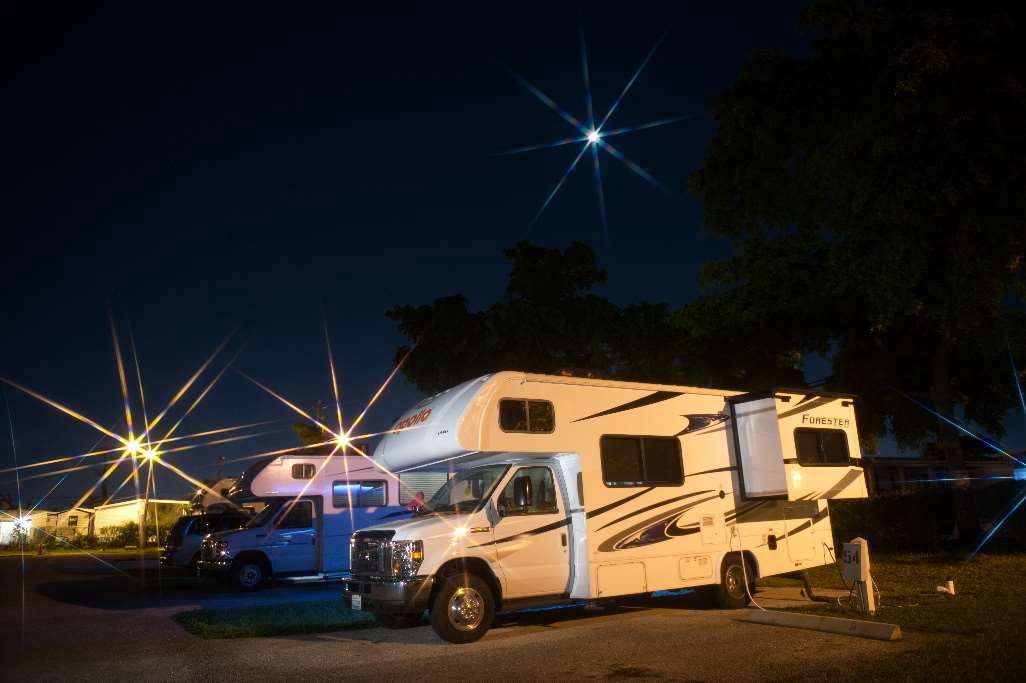
We pull into an RV park, extend the slide-out, and go to bed.
For sightseeing and museums, it’s better to take a taxi, because parking in downtown Washington is very difficult.
Charlotte
By Car
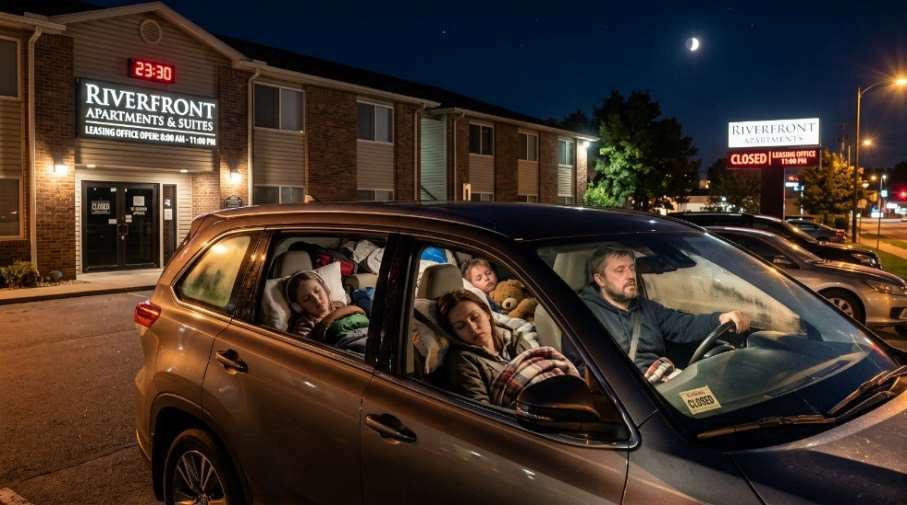
When booking on Booking.com, we forgot to tick the “24-hour front desk” box and didn’t select “Hotels.” We arrived late, around 11:30 p.m. It turned out to be an apartment rental that closed at 11 p.m. They didn’t let us in and refused to give us a refund. We had to sleep in the car.
With a Motorhome
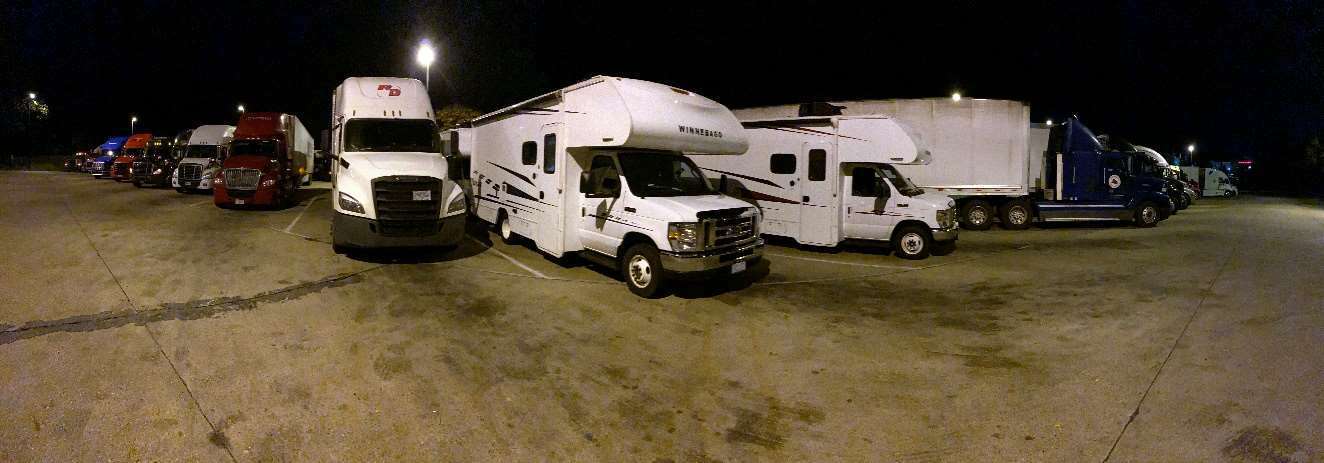
We decided not to drive into the city and didn’t bother looking for a campground. We stopped at a rest area, had dinner, and went to sleep in our own soft beds.
Atlanta
By Car
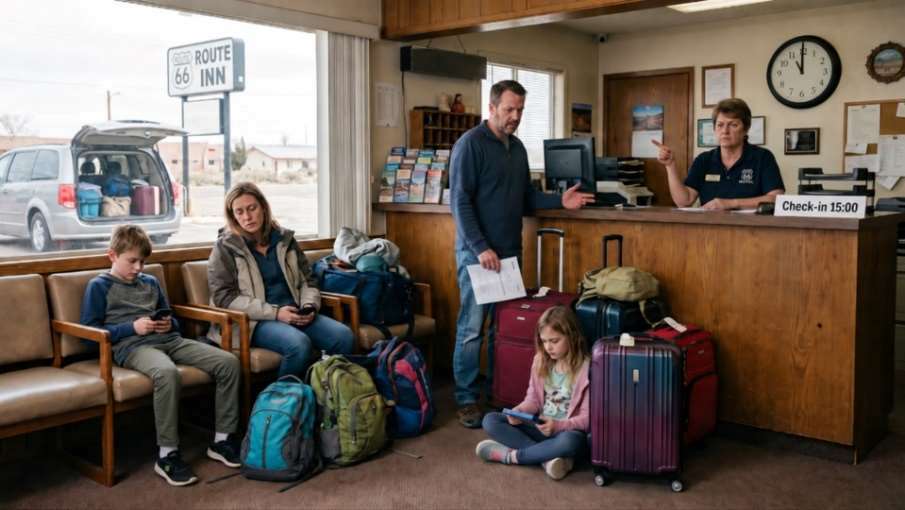
We got to the hotel at 11 a.m., but check-in was at 3 p.m. We waited four hours in the lobby. We carried our things in. The room had a very small double bed, so we asked for a different room. In the end, checking in took five hours, from 11 a.m. to 4 p.m.
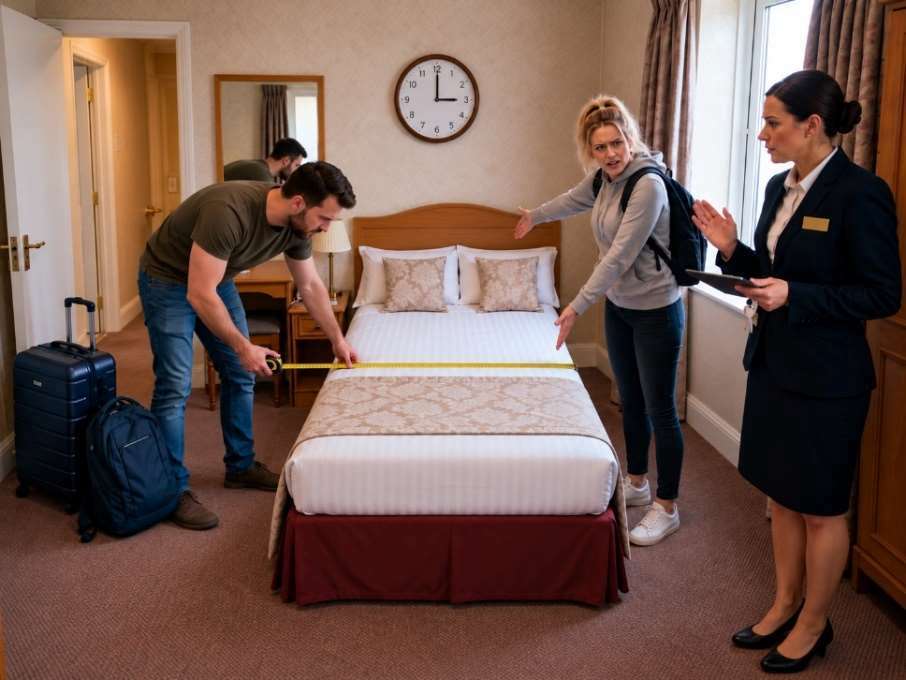
When we walked into the room, we found a very narrow bed. Two people could hardly sleep on it, unless they lay on their sides. We called the hotel staff, and they gave us a different room.
With a Motorhome
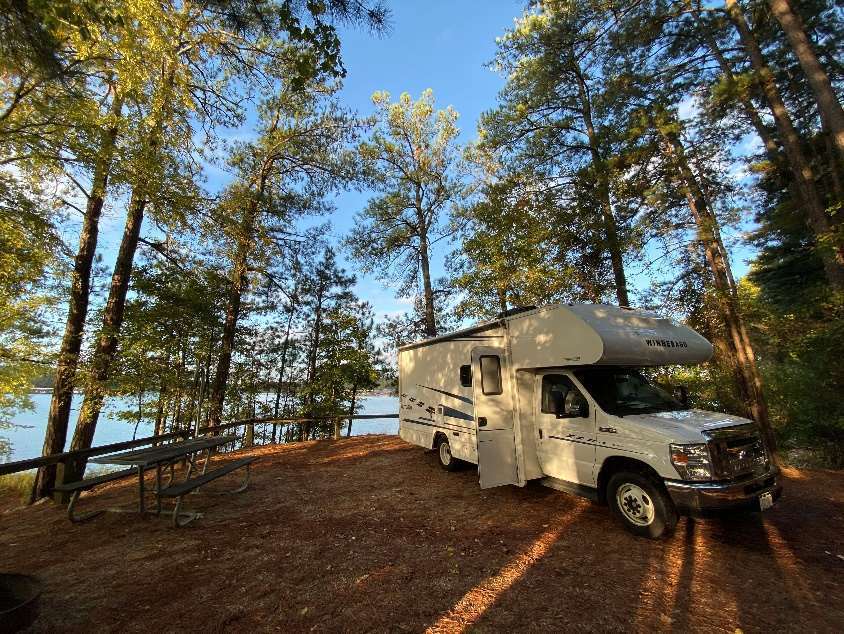
We stopped in a beautiful forest on the shore of a lake. We had a really good rest there.
Orlando
By Car
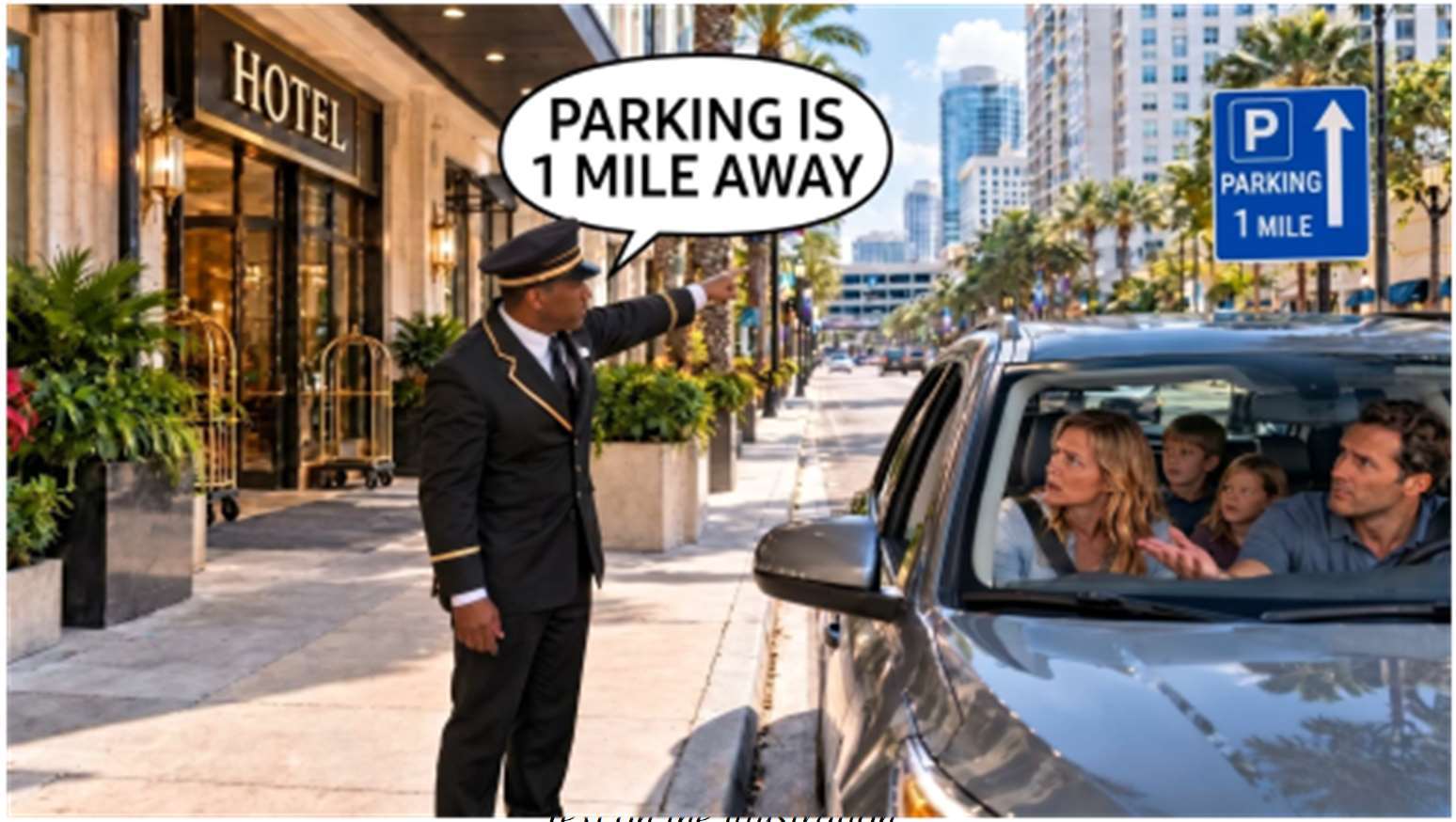
We arrived, tired, at a hotel in downtown Orlando. The hotel had no parking of its own. They told us how to get to a city parking lot, which turned out to be a kilometer from the hotel.
With a Motorhome
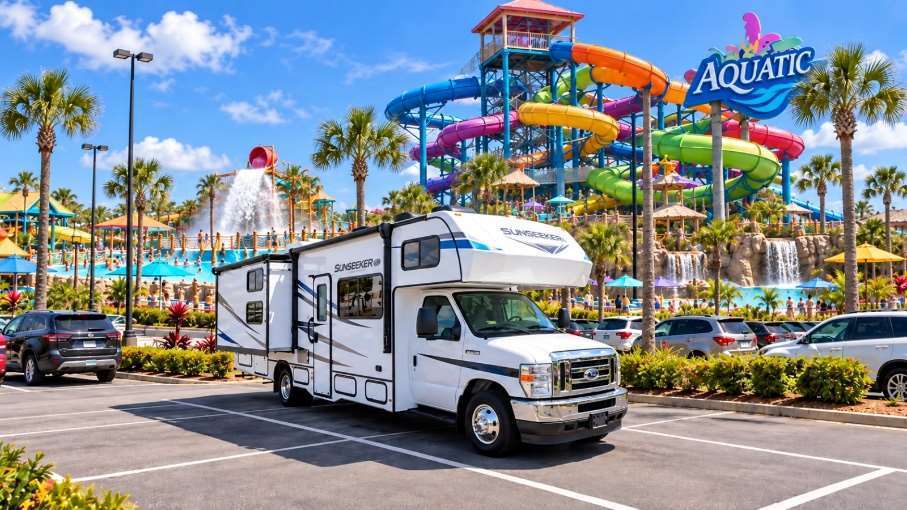
Orlando is all about entertainment: Disney parks and water parks. To keep things easy, we parked the motorhome right in the water park’s parking lot.
Miami
By Car
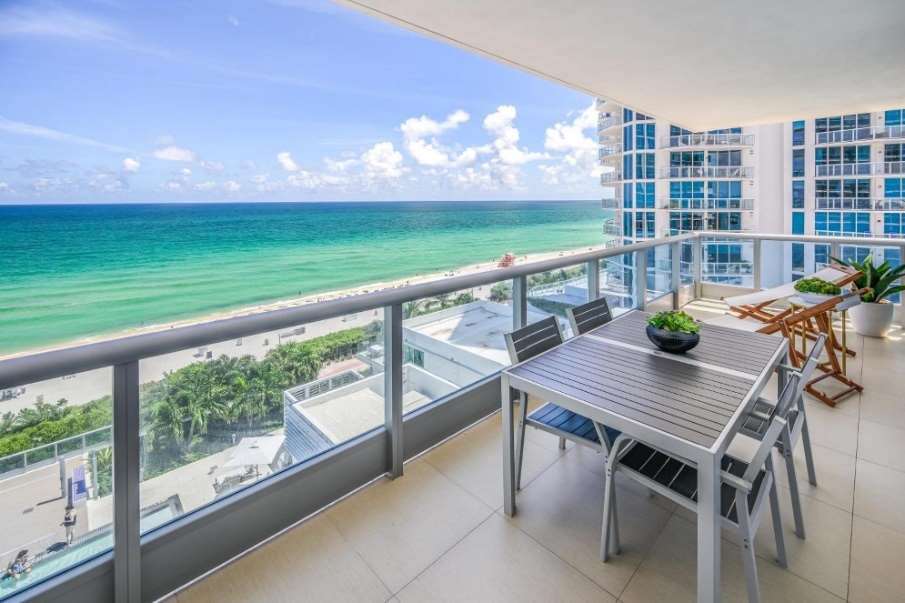
We booked a beachfront hotel in Miami Beach.
Cost: $400 a night.
With a Motorhome
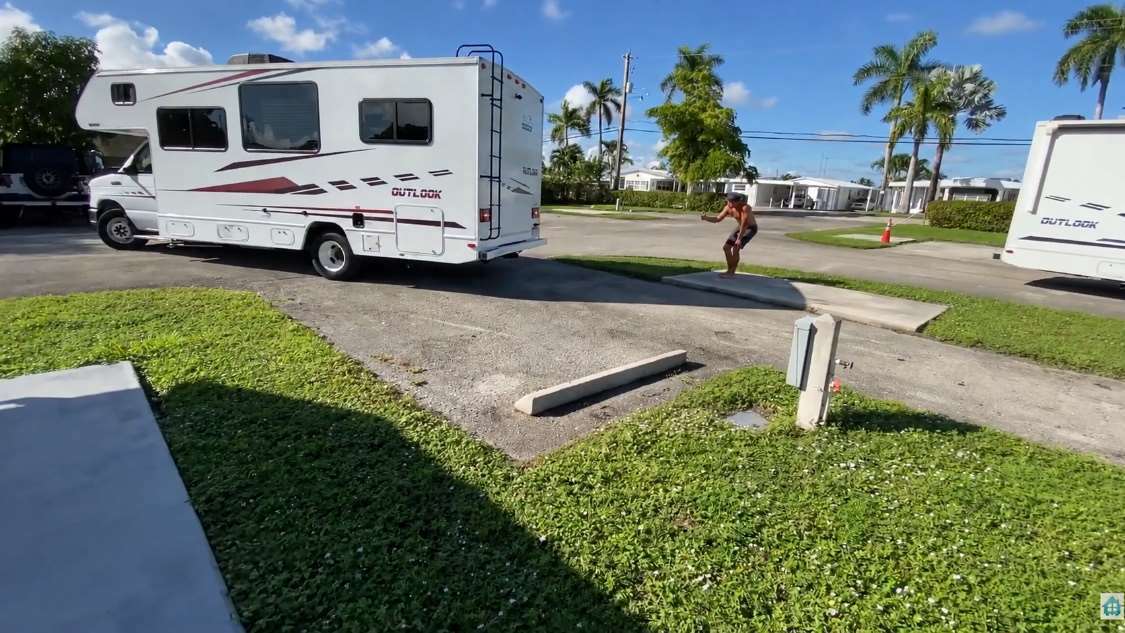
We stayed at the Hollywood KOA campground.
Cost: $20 a night. The beach is 15 minutes away by taxi.
On top of that, when we traveled by car, every hotel asked for a deposit of $100 to $500, and it took up to a month to get it back. If you have a debit card, that’s a real hassle.
With a motorhome, there’s none of that.
About the Authors
Konstantin Shchelbanin and Maria Shchelbanina.